


Most organisations would say (and believe) they endeavour to embrace ethical marketing. However, consumers increasingly condemn companies for being unethical. Why the difference? It is because knowing what is ethical and what is not is more challenging than it first appears.
Perhaps I am naive, but I believe the percentage of people in the world who wake up in the morning intending to screw over others is relatively small.
Yet, it feels like there are stories of companies using unethical tactics to drive sales or increase shareholder value every day. How, then do these two perspectives mesh? Why (if most people don’t set out to be unethical) have so many organisations seemingly embraced unethical behaviour?
Why Unethical Marketing is a Thing and so Prevalent?
As with so many things, the answer to the prevalence of unethical marketing is the rise of digital. Digital has contributed in two ways.
First, digital has shone a light on unethical marketing. It is something that has always been around to some extent, but in our connected world, attention can quickly be drawn to it. However, more importantly, consumers can mobilise to express their dissatisfaction over what they consider unethical marketing.
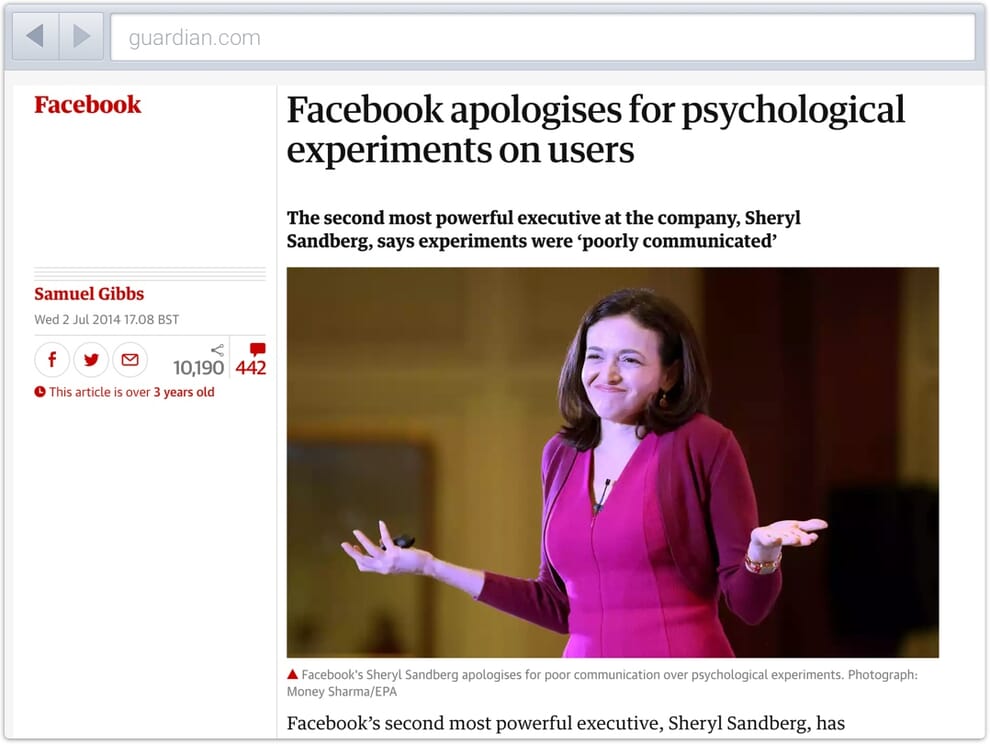
Second, digital has provided marketers with a wealth of data and tools to alter the behaviour of users. That has encouraged tactics that would previously have been impossible. Combine that with the ability to share these techniques effortlessly, and you have a recipe for disaster.
However, there is another more controversial reason why I believe the conversation about ethical marketing is on the rise, and that is there is no clear cut definition of what is ethical and what is not.
What Does Ethical Marketing Even Mean?
I once made the mistake of saying at a conference that ethics is subjective. It led to a significant backlash from people who strongly disagreed with the statement. If you are one of those people, I am sorry because I still believe it is true.
Ethics can be defined in many different ways:
- You can have what is legally considered unethical.
- You can define it by a set of religious or philosophical beliefs.
- It can be defined by the person taking action.
- The person impacted by the action can define it.
- Current trends and culture can shape it.
However, what I was driving at in my talk, is that we often justify our actions as ethical, while considering the actions of others as unethical simply because we do not like them.
Take for example, dark patterns. When I give talks on dark patterns, I define them as:
User interface elements that have been carefully crafted to trick users into doing things they might not otherwise do, often through psychological manipulation.
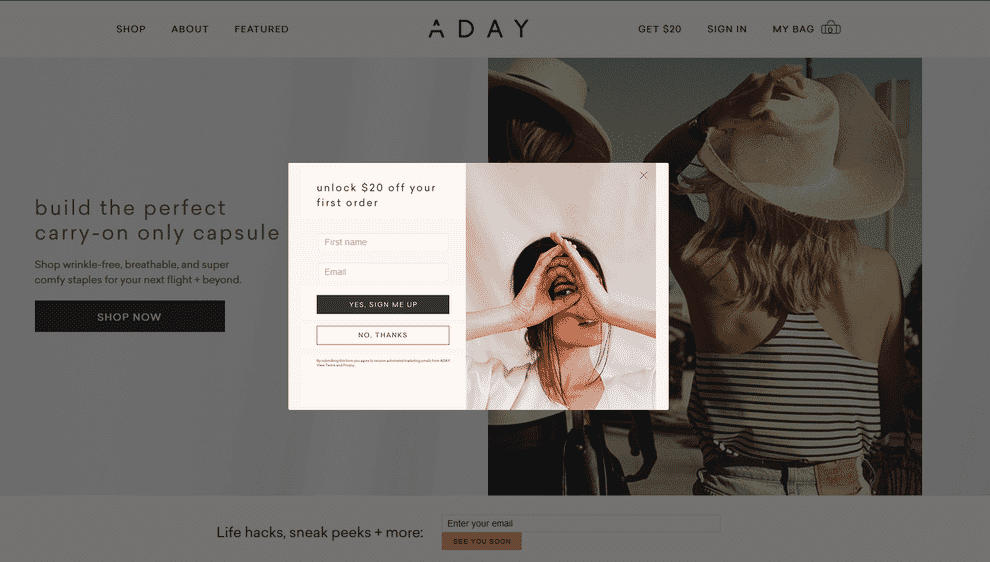
However, many of my peers would include things like overlays as dark patterns. Although these are annoying, I don’t believe they trick the user into doing anything. I wouldn’t consider them unethical.
In other words, some define things they don’t like (overlays) as unethical (dark patterns).
However, it works the other way around too.
I could easily trick somebody into buying insurance with the purchase of shoes by using the fact that nobody reads instructional text. I would simply show two “add to cart” buttons. One that is large, green and indicates forward progression that says “add to cart with insurance”, and a second less prominent one that says “add to cart without insurance”. I can guarantee which the user will click on despite the text on the buttons.
Although to my mind, I would say this is a clear example of unethical design, it could be argued otherwise.
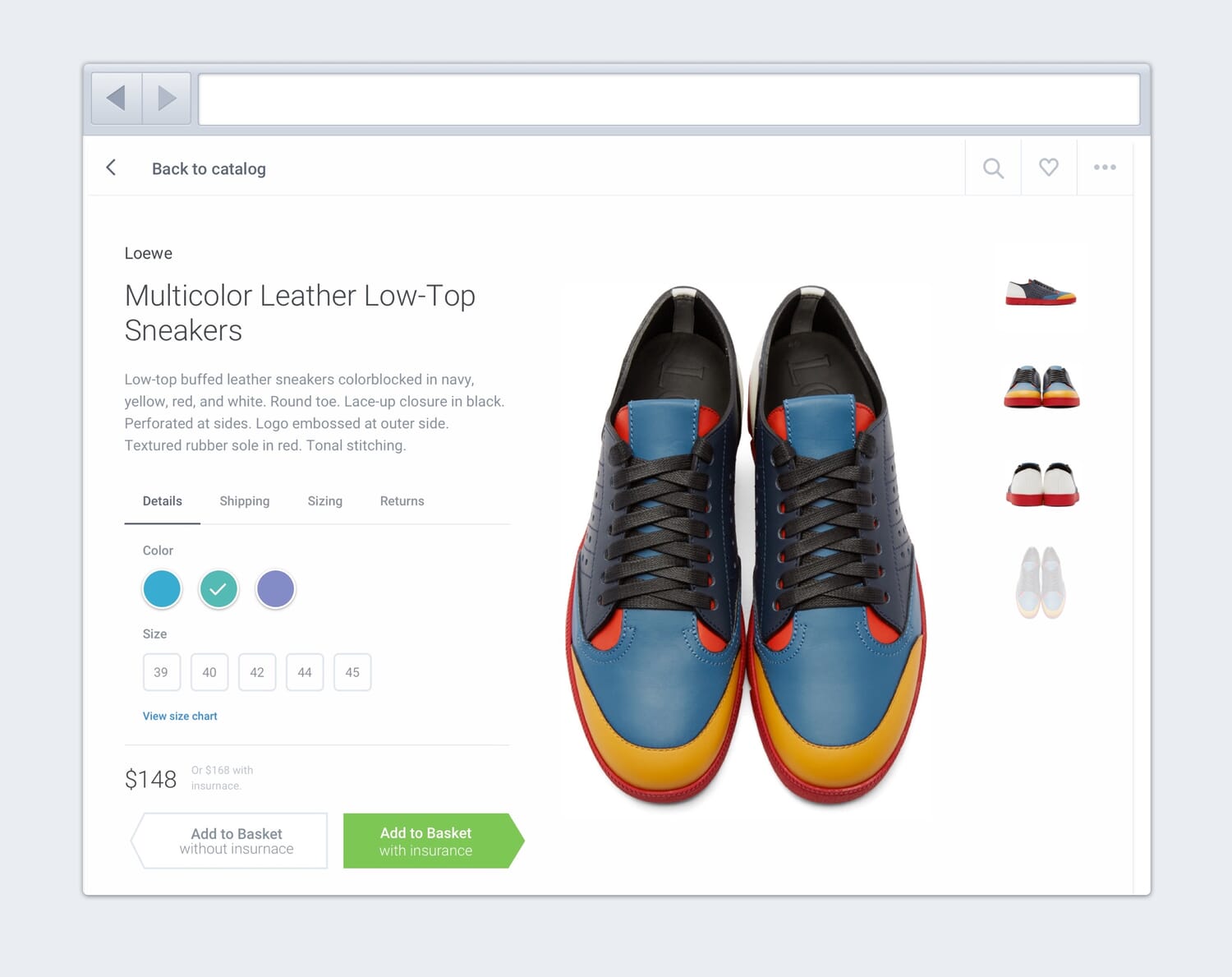
An ecommerce manager under enormous pressure to increase average order value might convince themselves that it is not unethical because you give the user a choice, even if that choice is obscured.
My point is that people can convince themselves of anything and nobody likes to think of themselves as unethical.
That being the case, how do you know if you have strayed into the realms of unethical marketing? How do you know if there is no clear definition of right and wrong? Are you just deluding yourself that your approach is okay?
How to Ensure Your Marketing is Ethical?
I should say at this point, that I am not the judge of what is ethical marketing so I cannot definitively answer this question. However, what I can do is share how I make these kinds of decisions when I consider my marketing activities.
Recognise You Rationalise
I start by recognising that like everybody I rationalise and justify my behaviour. Although it is hard to spot these rationalisations, I can at least acknowledge that I do this and that as a result, I cannot necessarily trust my judgement as to whether something is ethical or not.
I find this is something a lot of people struggle to accept, and so can get defensive if somebody suggests their behaviour might not be ethical. That can lead them to dismiss criticism out of hand.
Instead, I would recommend that when somebody makes such a suggestion, it should be a trigger to reevaluate what you are doing.
So how do you do that?
Consider Who Benefits
Well, when it comes to ethical marketing, I would suggest you ask yourself who benefits.
In other words, look at whatever action you have taken that has been questioned and ask who benefits most from the action. Do you and your organisation benefit more or the person you are marketing to?
Take “the insurance with your shoes” example. That provides a lot of benefit to the ecommerce manager trying to hit their target, but very little to the consumer. If they were given a clear choice, most consumers would not choose insurance.
Ideally, you want both parties to be receiving equal value from the interaction.
Of course, sometimes we can lie to ourselves about the value the end-user will receive, so I also ask myself another question — Would I feel uncomfortable explaining my approach to the user?
Could You Comfortably Explain Your Approach
It is much harder to rationalise unethical marketing or design if we imagine explaining step by step to an end-user how we are influencing their behaviour.
If you take the time to picture how that conversation would go, you can quickly judge just how far wrong you have gone.
For example, I don’t believe most people would describe as unethical wording my products and services in the most favourable light. However, I would get a nasty reaction if I explained how I used their subconscious against them to create a false sense of urgency.
Because ultimately, whether you believe your marketing is ethical or not is irrelevant. It is how your audience perceives it that matters the most.
Listen to Your Users
You should live in fear of your audience deciding your marketing is unethical. Consumers have immense power, and if they unite to condemn your behaviour, whether you feel you have been unethical or not, you can face enormous problems. One negative review can be damaging, but widespread criticism can prove extremely dangerous.
You need to pay close attention to every negative comment about your approach because for every one person who complains to you; there are probably dozens who have been alienated towards your brand.
If a user feels manipulated, you will have lost the sale because trust is the cornerstone of any transaction.
So ultimately, as with so many things in digital, it is essential that you understand your users and how they feel about specific approaches. If you don’t take the time to do so, it will be all too easy to stumble into territory that they consider unethical.


