


How are you tracking the success or otherwise of your site? The chances are you focus on conversion metrics. Maybe you also consider tracking usability. However, are you measuring engagement? If not, you should be.
Why You Should Measure Engagement
The problem with focusing on tracking conversion is that there can be a long gap between a change to your site and seeing that translate into improved conversion rates.
Take for example my case, a company can take well over a year from the point of first hearing about me to finally hiring me. That means tying a particular marketing initiative or interface improvement to better sales can be hard.
One option is to track a smaller point of conversion such as signing up to a newsletter, and indeed you should. However, it is also worth tracking other factors that ultimately lead to better conversion, metrics such as usability or engagement.
Engagement is a critical component in how likely a user is to take action on a website. The more engaged a user is with your content, the more influenced they are by it, and the more likely they are to act upon it.
Unfortunately, although tracking engagement it is relatively easy to get rapid feedback, that data cannot always be taken on face value.
The Problem with Measuring Engagement
A common metric that organisations measure when seeking to understand engagement is session duration. However, taken alone this can prove misleading. For example, is a long session an indication the user is engaged, or that they have just left the browser window open and gone to make a cup of tea?

A low bounce rate can also be a sign of good engagement, but it could equally mean a user is wandering a website lost and confused.
Even mentions on social media are not always a sign of positive engagement if those mentions are critical.
It is, therefore, necessary to treat any engagement metric with a critical eye. However, that does not mean we should give up. Indeed many engagement metrics are definitely worth paying attention to.
Metrics for Measuring Engagement
Let’s be realistic. There is no perfect metric, whether you measure conversion, usability or in this case engagement. However, there are many tools in our arsenal we can use to start building up a picture of engagement.
Let’s look at what is available to us and ask what works best in which circumstances.
Attention Minutes
One of my favourite metrics for measuring engagement is attention minutes (otherwise known as engaged time). In some ways, this is similar to session duration. However, unlike session duration, it only counts the time a user is actively engaging with a page.
The page has to be active (not sitting in the background somewhere) and the user has to be doing something on the page within a certain interval. That might be scrolling, clicking or watching a video.

Of course, even attention minutes are not perfect. A user could be desperately searching for relevant information, frustrated they cannot find what they want. However, typically users give up such efforts after about 10 to 20 seconds. So as long as they remain active beyond 20 seconds, you should only be capturing people who are truly engaged.
Unfortunately, not every analytics application can measure engagement using attention minutes. However, it is definitely worth installing one that does if you wish to track engagement.
Interactions
If you cannot track attention minutes, your next best option in most cases for measuring engagement is interactions. In the average user session, how many times is the user interacting with the website?
Those interactions may be:
- comments,
- downloads,
- shares,
- clicks
- or any other interaction you consider important enough to track.
Some of those interactions will be more valuable to you than others, so you might want to give a numerical weighting to certain ones.
Next, take this numerical score and divide it by the number of unique visits. That will give you a better indication of how engaging your content is without you skewing your data with fluctuations in traffic levels.
In some cases, it is also interesting to consider interaction depth. For example on this blog, I can judge engagement by the number of articles a user has looked at in a single session. When users go from one post to the next, it is a good sign they are finding my content engaging.

Frequency Of Visits
One easy metric for measuring engagement is how frequently users are returning to your website. If they are visiting often it is a good indicator that they find the site useful.
There are a couple of views of this metric worth considering. First, you can look at how many times a user visits the site. The higher the number is, in most cases, the better.

However, you can also look at the average number of days between those visits. In this case, the relevancy of that data will vary.
For example, if you are updating the site hourly and yet users are only returning once a month then there may be a problem. However, if you update monthly then the user only returning once a month would make perfect sense.
In fact, the frequency of visits can be a tricky metric from which to gain real insights
Scroll depth
A better metric for measuring engagement and one I personally pay close attention to is scroll depth. How far down any particular page does the user scroll is a good indication of how useful they consider the page.
That means, as a metric it tends to be more useful in tracking the engagement of a particular page, rather than the site as a whole. However, it is also useful for optimising page design too as it helps you place calls to action in the best position.

One of the nice things about tracking scroll depth is that there is no shortage of applications that allow you to track it. Its simplicity makes it a convenient indication of engagement. Just recognise that like all metrics it cannot be used in isolation as people may just as easily be scrolling because they cannot quickly spot what they are looking for.
Social Media Shares and Comments
Depending on your type of site and its audience, one of the best metrics for measuring engagement can be user comments and social media shares. That is particularly true if your website serves a role in content marketing. Users are inclined to comment on, and share, content they perceive as valuable.
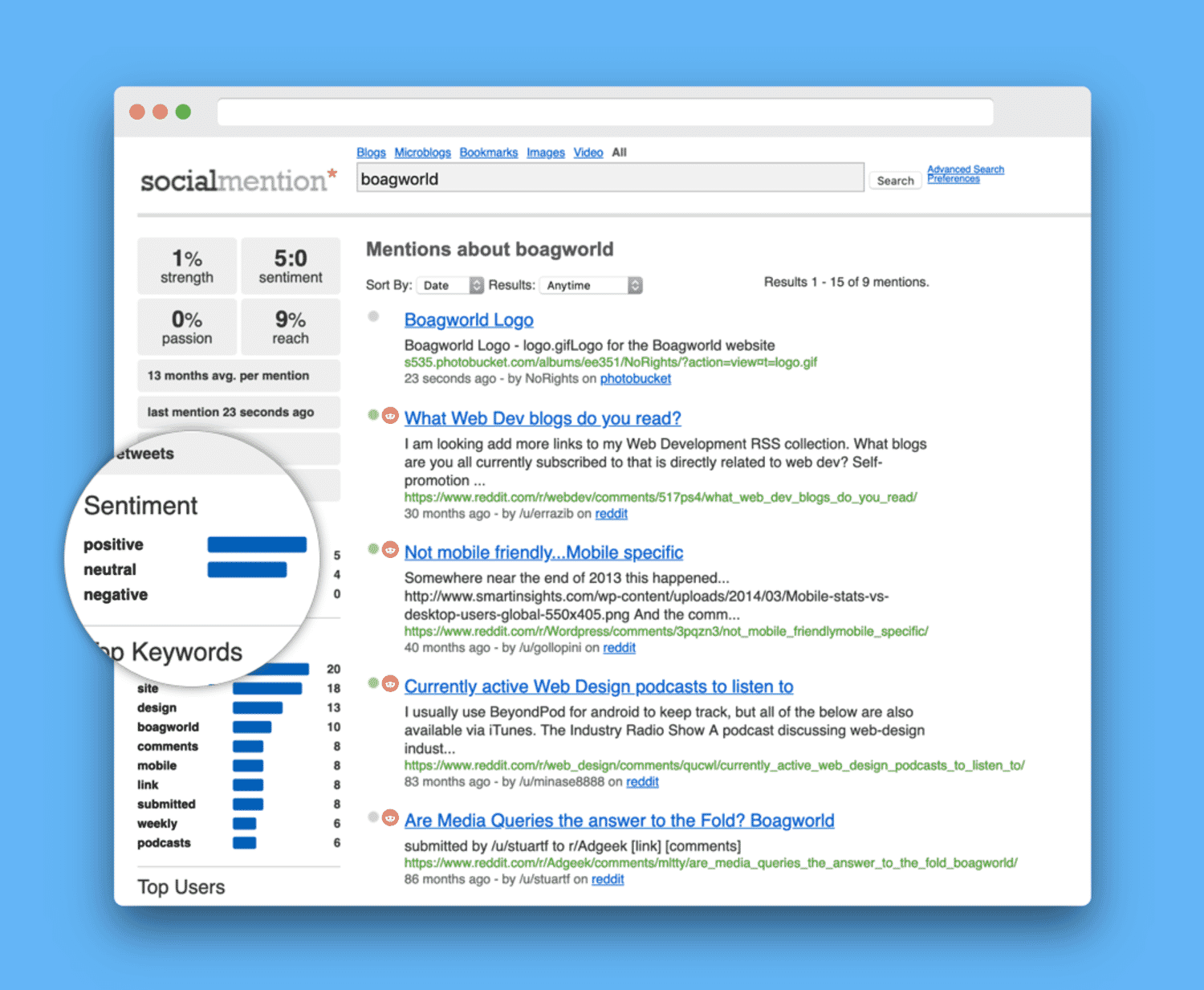
Of course, they also comment on content they dislike as well, so it is important to track the sentiment of a comment or mention on social media, not just the number.
The Net Promoter Score
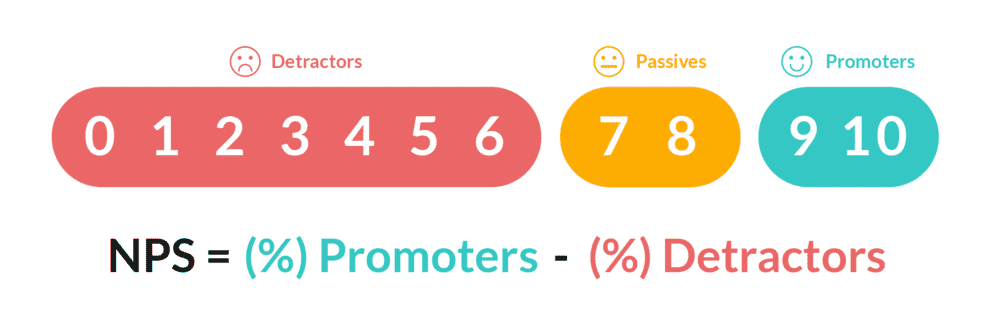
Finally, I could not write about measuring engagement without mentioning the net promoter score. That tried and tested surveying technique is ideal for ascertaining how likely somebody is to recommend a company, service or even website to another person using a simple 1-10 rating.
A score of six or below normally indicates that a user is a detractor and view the site negatively. Only a score of nine or ten indicates the user is actively engaged with the website.
When measuring how engaging a website is it is important to focus on the site rather than the company in our survey. In other words, we should ask:
“On a scale of 0-10, how likely is it that you would recommend this website to your friends, family or business associates?”
Otherwise, results may be distorted by some other element of the customer’s experience with a company beyond the website itself.
However, even when asking the question in this way, users tend to be influenced by other factors so keep that in mind.
Beware Measuring Engagement With Any One Metric
As you can see, no metric is perfect for measuring engagement or indeed the overall effectiveness of a website. We need a range of metrics working together in areas such as engagement, conversion and usability to build up a complete picture of a site’s performance. Only then can we be confident that the improvements we are making to our site are having a positive impact.


