Hello all.
Don’t worry. I haven’t turned into a lifestyle guru. I know today’s title sounds like it comes straight out of a self-help book, but I am not suggesting you “live your best life” or anything pretentious.
No, I am talking about the constraints placed upon you in your work, and even then, I am only suggesting you challenge those constraints occasionally.
Part of being a designer is learning to work within constraints. If you want to work free from constraints, become an artist instead.
Constraints can be helpful. They provide focus and ensure pragmatic, real-world solutions. Unfortunately, however, sometimes they can become debilitating.
Fixing on constraints is debilitating
I am working with three clients at the moment, and each of them is battling with different types of constraints. One is crippled by legacy technology, the other works in a highly regulated industry, and the third is battling with self-imposed and (in my opinion) shortsighted targets.
In each case, they are so fixated on their constraints that they struggle to find a way forward, and they are not alone.
We all battle with constraints sometimes. They go from providing a framework within which to work to a straight jacket that stifles creative thinking.
You see this when you compare a well-established company in a sector to newer digital disruptors. The new company is free from the legacy and cultural constraints that cripple its well-established competitors.
Take, for example, banking, a highly regulated sector with many constraints. I bank with Halifax (a well-established bank) and Starling (a new digital disruptor).
In theory, they work within the same regulatory constraints, yet the difference in experience could not be more extreme. For example, logging in to online banking with Halifax is painful compared to Starlings’ effortless experience, yet both have the same levels of security.
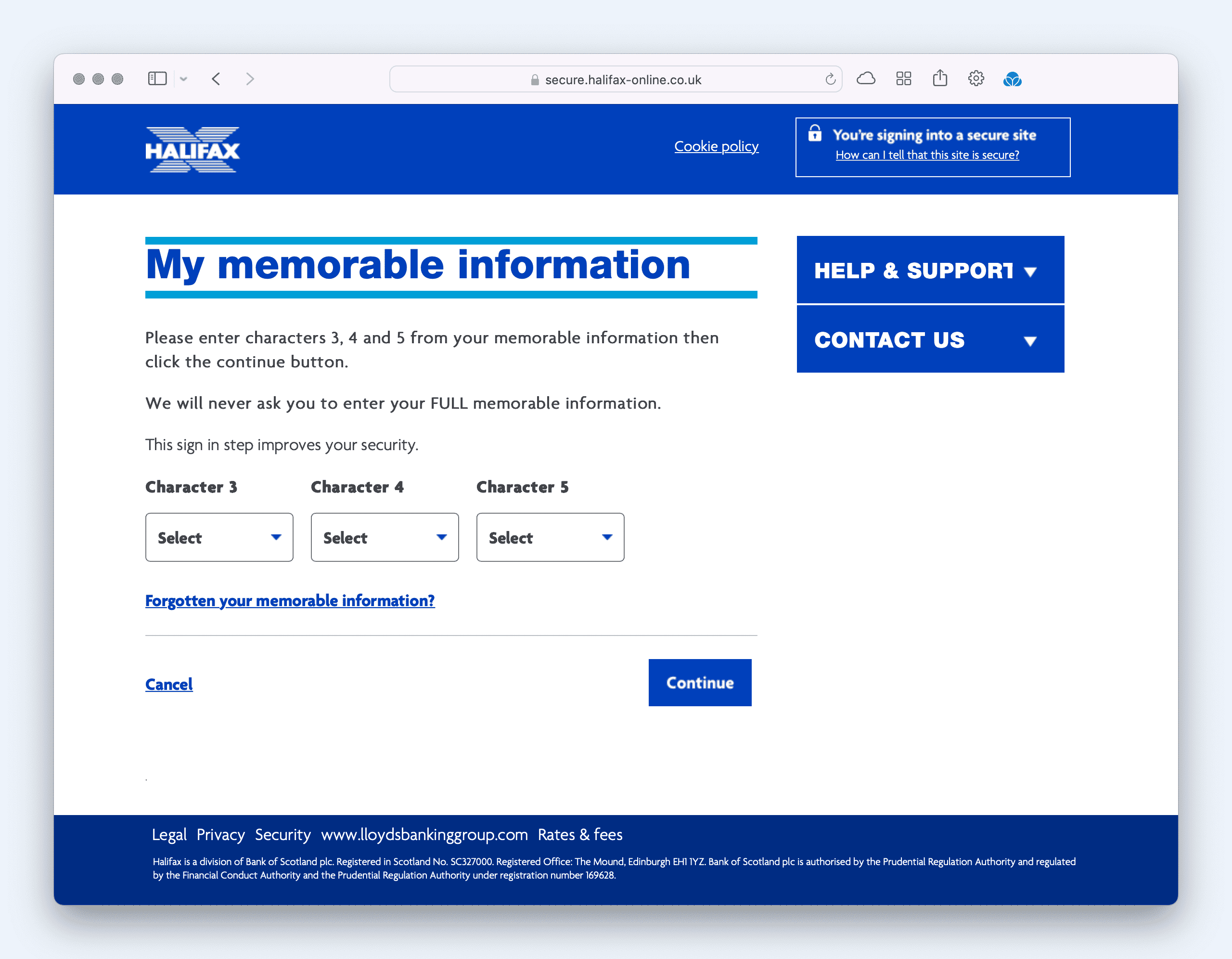
The difference is that they are not just constrained by regulation; their thinking and legacy also constrain them. Halifax is crippled by years of ways of working. Artificial constraints, if you will.
So does that mean established companies are doomed to offer a weaker digital experience? Well, not necessarily. They need to throw off their constraints and dream bigger occasionally.
Ignore Your Constraints Occasionally
Because constraints can cloud our thinking and stifle our creativity, we need to step back and start from a blank sheet of paper every once in a while. What if we had no constraints? What if we could just produce the best experience possible?
That is where prototyping becomes invaluable. To create a mockup of an experience that demonstrates what good could look like if constraints do not hamper it.
When well-established companies do this, the results can be shocking.
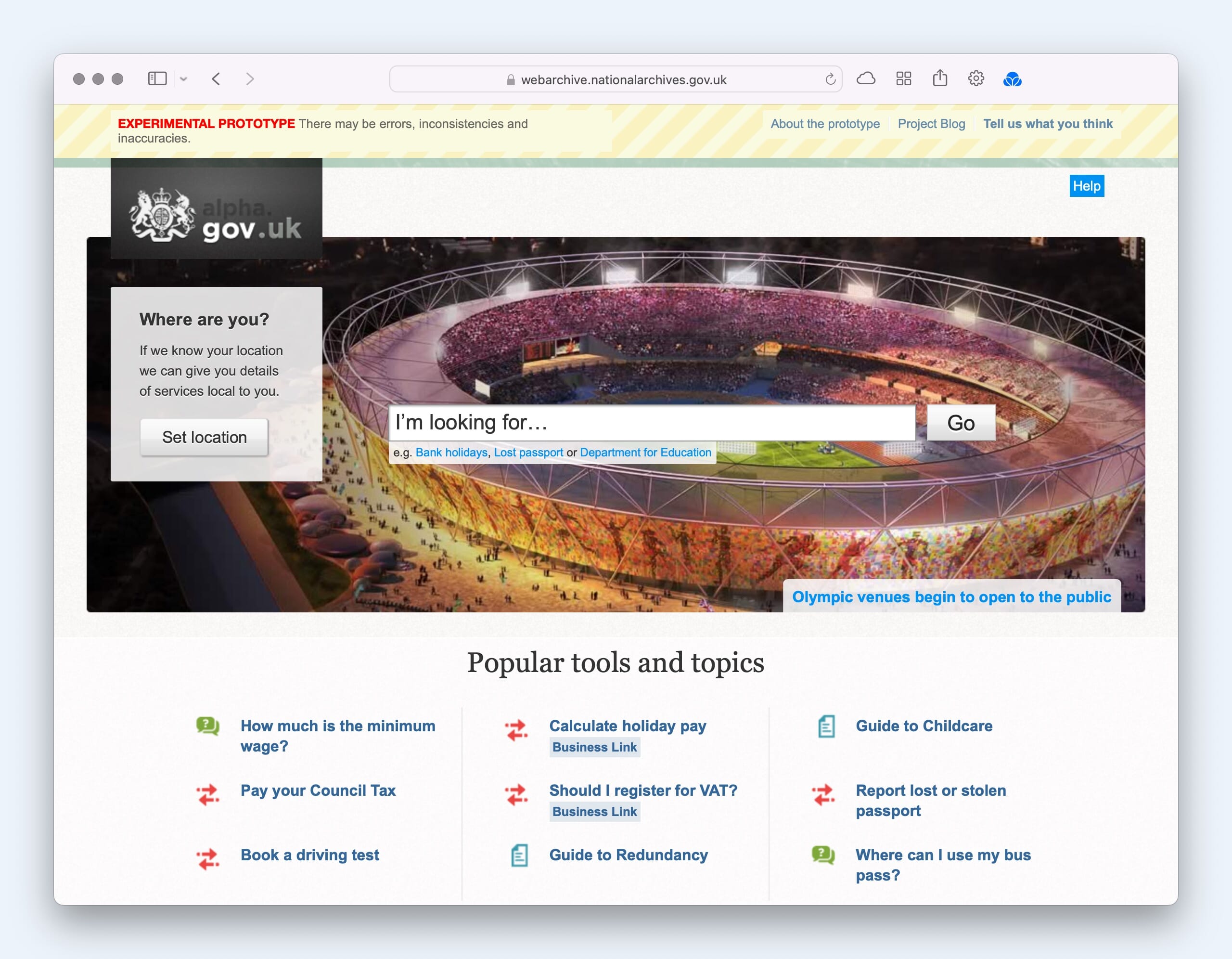
When the UK Government did this and created alpha.gov.uk, it revolutionized government online, going from hundreds of departmental government websites to a single source of information UK citizens could turn to when they needed information.
Equally, when Disney prototyped their Disney Magicband experience, the company invested $1 billion in upgrading its parks and hotels. That is how powerful a prototype can be. After all, a $1 billion price tag is a pretty big constraint!

The power of a prototype free from constraints is that it can show what is possible. It excites people and inspires them. When people can see what is possible, they want to make it a reality, and that is when constraints start to get challenged.
Some constraints crumble in the face of a compelling prototype. Technology gets upgraded, internal thinking changes, and money gets found.
However, even with fixed constraints such as regulatory requirements, things improve. Thinking becomes more creative, and compromising that ideal experience becomes more pronounced, encouraging people to push harder to maintain the dream.
A prototype free from constraints sets a new baseline in organizational thinking. Instead of asking, “how do we incrementally improve what we have” the question becomes, “how do we achieve our vision?” Those are very different starting points.
So next time you feel yourself getting bogged down in constraints, suggest stepping back and creating a lightweight, inexpensive prototype that ignores these constraints to see what happens. You may well be shocked by the results.