Let’s talk about the biggest trends in UX design for 2025. Trust me, we’re in for some exciting changes – from AI getting smarter to AR/VR finally hitting its stride. I’ve been keeping a close eye on these trends, and I’d love to share what I think is coming our way.
The Evolution of AI Interfaces
One of the UX design trends of 2025 will be AI breaking free from those basic chatbot boxes we’re all used to. It’s weaving its way right into the apps we use every day, making them smarter and more helpful. Obviously we have the consumer tools like “Apple Intelligence” that is already rolling out across iOS and macOS.
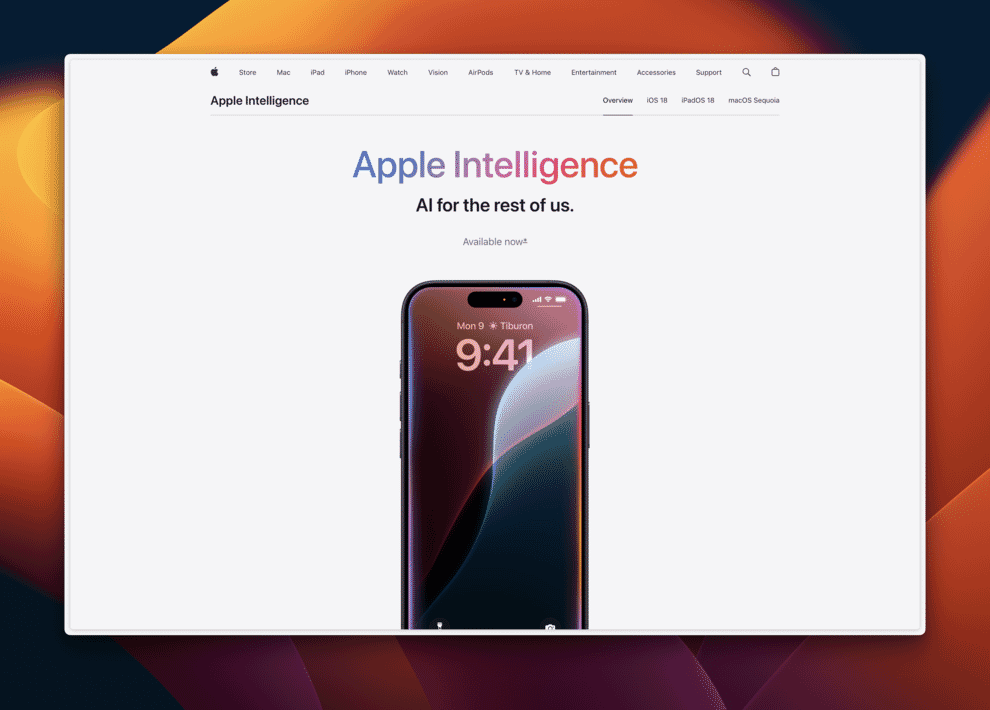
Meanwhile, Microsoft are focusing on bring AI to the enterprise market and in particular on introducing AI agents, which is another big trend I will come to in a moment.
What’s really cool about all this is how AI is becoming part of the furniture, so to speak. Instead of being this separate thing you have to go to, it’s just there when you need it, making your everyday tools work better without getting in the way.
For us UX designers, this is where things get truly interesting. We have an incredible opportunity to design interfaces that make AI feel natural and helpful, rather than complicated or intrusive. It’s all about making AI feel almost invisible, where the technology seamlessly integrates and isn’t the center of attention, enhancing our apps to be more responsive and personalized to users’ actual needs.
The Rise of AI Agents
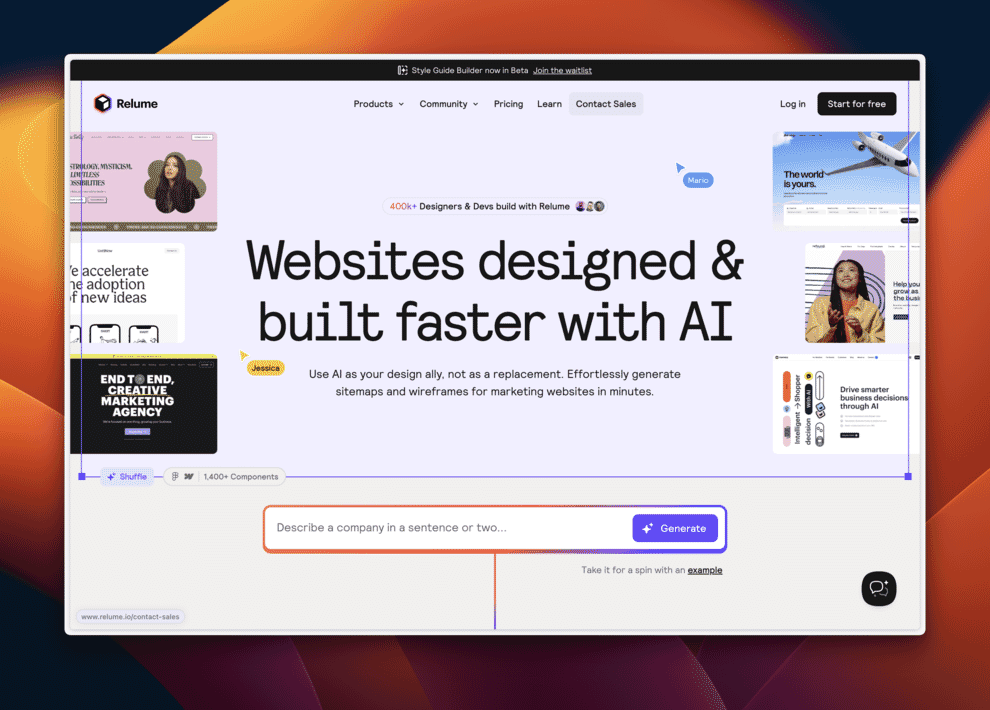
As I said, In 2025, AI agents are set to become indispensable tools for UX designers, capable of analyzing user behavior, creating personas, and even generating design mockups autonomously. For example, platforms like Relume are integrating AI to streamline design processes, allowing designers to focus on strategic decision-making.
However, as we embrace these advancements, it’s crucial to ensure that AI agents operate ethically and without bias. Implementing comprehensive AI ethics training and establishing robust governance frameworks are essential steps in this direction.
Rather than replacing human roles, AI agents will serve as collaborative partners, augmenting our capabilities and enabling us to deliver more personalized and efficient user experiences. Our role will evolve into guiding these AI tools to align with both business objectives and user needs, ensuring that technology enhances rather than detracts from the human experience.
The Growth of AI Personalization
Talking of AI, get ready for AI personalization to go mainstream in 2025. Sure, Amazon’s been doing it forever, but now we’re going to see it everywhere.
Imagine websites that actually get you – knowing what you need before you do. Interesting, right? But it also brings up some tricky questions about privacy and data use.
Our challenge will be finding that sweet spot between helpful and creepy. How do we keep users feeling in control while still delivering that magic touch of personalization?
The Potential Maturing of AR/VR
With Apple’s Vision Pro and Meta’s Orion making waves in 2024, I believe 2025 could be the year when AR and VR finally hit their stride, provided both companies can offer more consumer-friendly price options. As these gadgets become more accessible, we will need to consider how our applications and sites work in these immersive spaces.

The real challenge for UX designers will be identifying meaningful applications for these platforms. When does an AR/VR experience genuinely enhance user value? How do we design interfaces that feel natural and intuitive within these new environments? Most importantly, how do we ensure our solutions solve real user problems rather than just showcasing the technology?
Think about your navigation app coming to life in front of you, or learning about anything just by looking at it. The possibilities are endless, but we’ve got to make sure we’re adding real value, not just fancy bells and whistles.
A Stabilizing UX Job Market
Let’s be honest – 2024 was a challenging year for UX. Many organizations had invested in user experience with unrealistic expectations, treating it as a quick fix rather than a long-term commitment. When they didn’t see immediate results from their under-resourced teams, they pulled back. But there’s a silver lining for 2025.
Companies are starting to understand that successful UX requires proper investment and infrastructure. We’re seeing a shift towards building more comprehensive internal UX teams, with organizations finally allocating the resources needed for meaningful impact.
Interestingly, this trend is favoring in-house talent over external providers. Agencies and freelancers are increasingly being asked to support and supplement internal teams rather than replace them entirely. This means external UX professionals will need to adapt their service offerings and approach.
Of course, our roles will continue to evolve. As AI takes over more of the tactical work, we’ll need to focus more on strategy, empathy, and team leadership. Adaptability isn’t just helpful anymore – it’s essential for survival in this changing landscape.
Wrapping Up
2025 is shaping up to be quite a ride for UX. Between AI leveling up, AR/VR gaining ground, and a renewed focus on what users really need, we’ve got our work cut out for us.
The key? Stay curious, keep learning, and never forget that we’re designing for real people, not just users. Technology’s great, but it’s how it helps people that really matters.